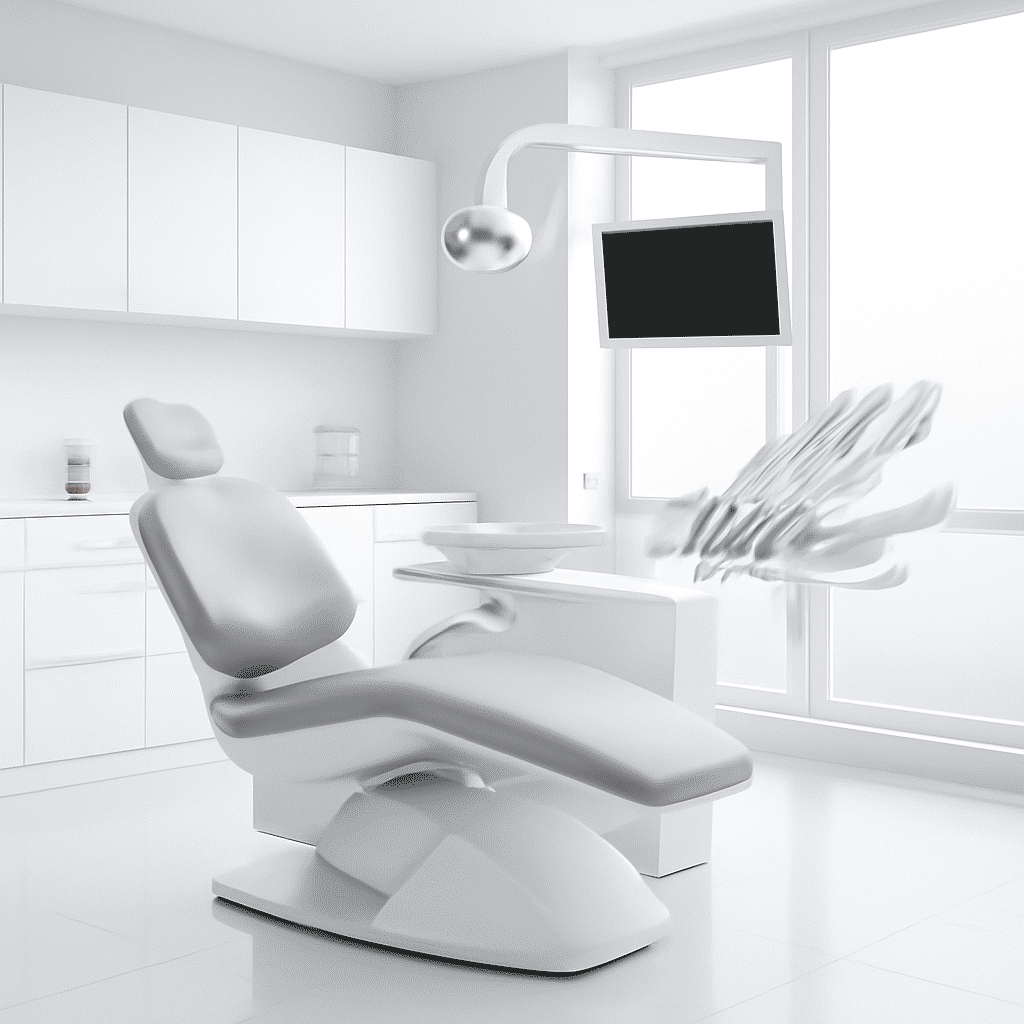
In recent years, the field of dental care has experienced a remarkable transformation, thanks to the integration of innovative technology. This evolution has not only enhanced the precision and effectiveness of treatments but has also ensured a more comfortable and gentle experience for patients. Amidst these advancements, several technologies stand out for their significant contributions to oral health care.
At the forefront of this technological revolution is digital imaging, which has revolutionized the way dental professionals assess and diagnose oral health issues. With tools such as digital X-rays and 3D imaging, dentists can obtain detailed views of a patient's oral structures with remarkable clarity. This not only aids in the accurate diagnosis of dental conditions but also facilitates the early detection of potential issues, allowing for timely intervention and treatment.
In addition to imaging, the advent of laser dentistry has transformed many traditional dental procedures. Lasers are being used for a variety of treatments, from cavity removal and teeth whitening to gum surgery and tissue reshaping. One of the most significant benefits of laser dentistry is its minimally invasive nature. Procedures that once required incisions and sutures can now be performed with reduced pain and faster recovery times. This gentle approach significantly enhances patient comfort, reducing anxiety for those wary of dental visits.
Furthermore, 3D printing technology is making waves in the realm of restorative dentistry. From custom dental crowns and bridges to orthodontic devices like clear aligners, 3D printing allows for tailored solutions that fit precisely with a patient’s unique dental anatomy. This level of customization not only improves comfort but also ensures that treatments are effective and aesthetically pleasing.
The integration of artificial intelligence (AI) into dental care is another groundbreaking development. AI systems assist in analyzing vast amounts of data, providing dentists with insights that enhance decision-making and treatment planning. Predictive analytics powered by AI can foresee oral health trends and potential risks for individual patients, enabling personalized preventive care strategies.
Moreover, the rise of teledentistry has expanded access to oral health care, particularly in remote and underserved areas. Through virtual consultations, patients can receive expert advice and preliminary assessments from the comfort of their own homes. This technology is instrumental in breaking down barriers to dental care, ensuring that more people receive the attention they need to maintain their oral health.
These advancements in dental technology represent a paradigm shift in how care is delivered and received. By focusing on precision, efficiency, and patient-centric practices, modern dental technology ensures that treatments are not only effective but also compassionate. Patients can now look forward to a dental care experience that prioritizes their comfort and health, paving the way for a future where oral health is seamlessly managed through cutting-edge innovations.
In conclusion, the integration of innovative technology in dental care is transforming the patient experience, providing solutions that are as gentle as they are effective. As these technologies continue to evolve, they promise to make oral health care more accessible, personalized, and efficient, ensuring brighter smiles for generations to come.